From residual stream to valuable raw material.
Organic residual streams deserve a second life. At FKL, we process these raw materials into high-quality soil improvers that contribute to healthy soil and sustainable agriculture.
In this way, we close the loop and give nutrients a valuable new purpose.
In line with the Sustainable Development Goals.
FKL highly values sustainable operations. We would like to explain how we achieve this using the Sustainable Development Goals (SDGs) as defined by the United Nations.
-
End poverty in all its forms everywhere.
Poverty occurs most frequently worldwide in areas where agriculture is the primary economic activity. This often involves small-scale farming on which families are directly dependent. Organic fertilisers help farmers keep their soil sustainably fertile and achieve better harvests year after year. Therefore, their use is increasingly becoming part of agricultural education and development programmes. FKL supports this approach by making high-quality organic fertilisers locally available at a fair price. This provides farmers with the means to build a sustainable future for themselves.
-
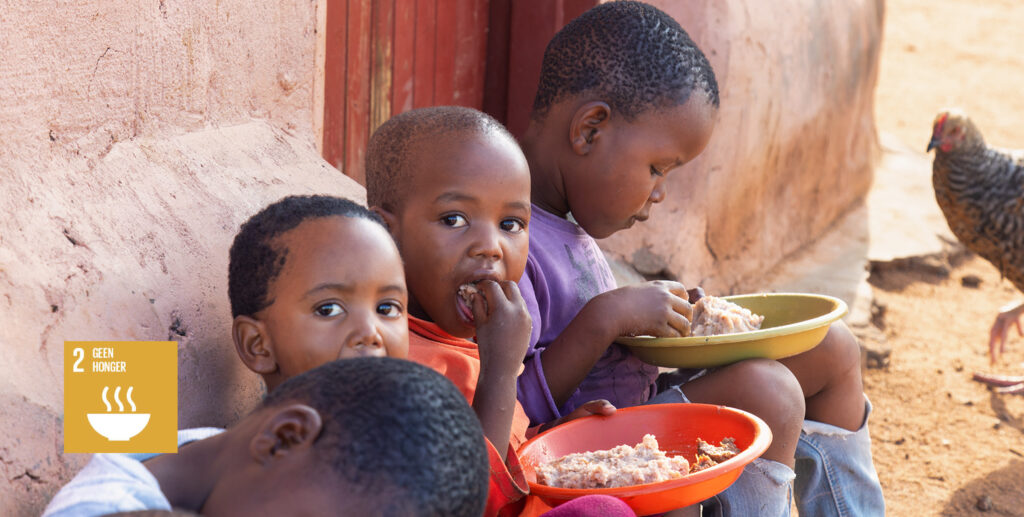
End hunger, achieve food security and improved nutrition, and promote sustainable agriculture.
Food shortages and famine are often the result of failed or insufficient harvests. A healthy and fertile soil is therefore essential for sustainable food security. Organic fertilisers improve soil structure, replenish important nutrients, and support soil life. In combination with smart crop rotation and integrated pest management, they help farmers increase their yields sustainably. This also enables small farms in developing regions to produce food reliably. FKL contributes to an agricultural system that remains productive without exhausting the soil for future generations.
-
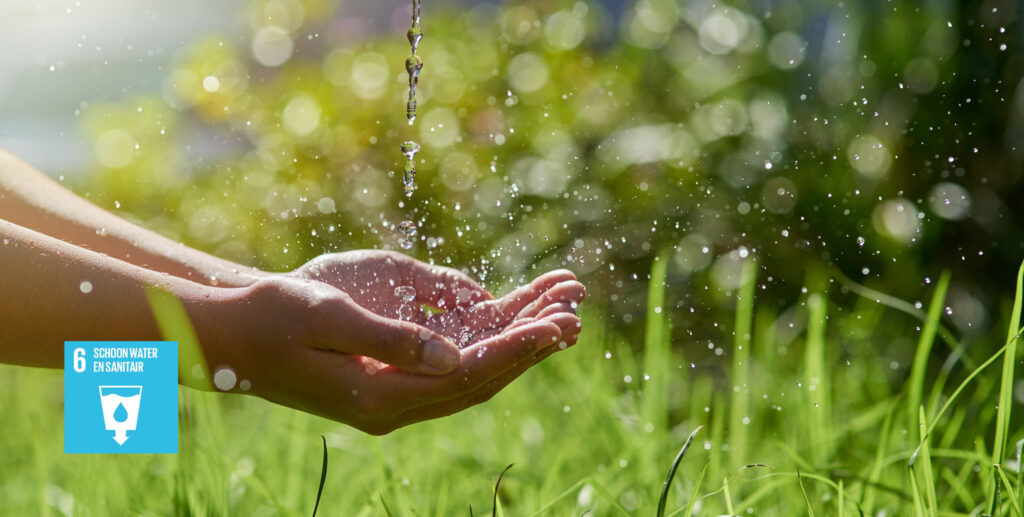
Ensure sustainable management of water and access to clean water.
Clean water is vital for people, agriculture, and natural ecosystems. Therefore, pollution from excess nutrients must be prevented as much as possible. Flanders has a highly developed manure processing sector that works closely with authorities and specialised consultation platforms. FKL also actively participates in this cooperation. By processing manure surpluses sustainably and reusing valuable raw materials, we help limit nitrogen losses to soil and water. In this way, our activities contribute to better water quality in Flanders and the Netherlands and to an agricultural model in which economic activity and nature management go hand in hand.
-
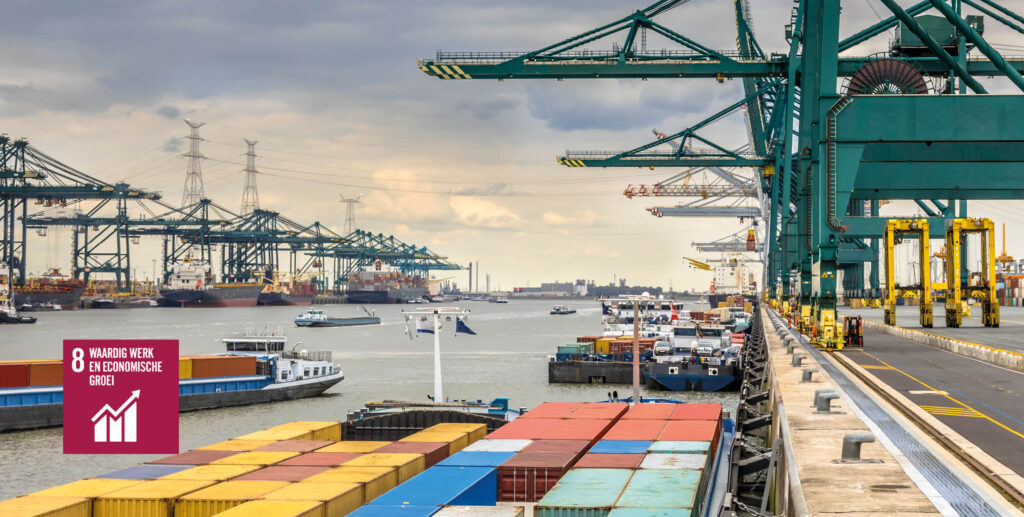
Promote sustainable growth, employment, and decent work.
FKL directly creates employment for 46 employees and also supports a broad network of specialised partners. We work with companies in transport, consultancy, graphic design, packaging, engineering, logistics, forwarding, and shipping, among others. Thus, our economic impact extends far beyond our own organisation. FKL continues to invest in sustainable growth, modern infrastructure, and additional activities in Flanders. Thanks to our strong presence in the Port of Antwerp, we contribute to local employment, international trade, and a future-oriented circular economy.
-
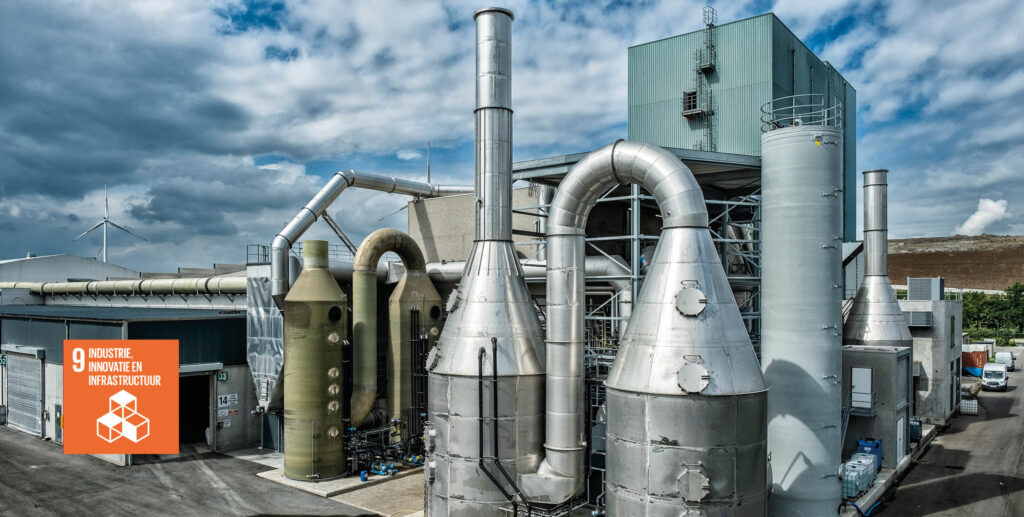
Build sustainable infrastructure and foster innovation.
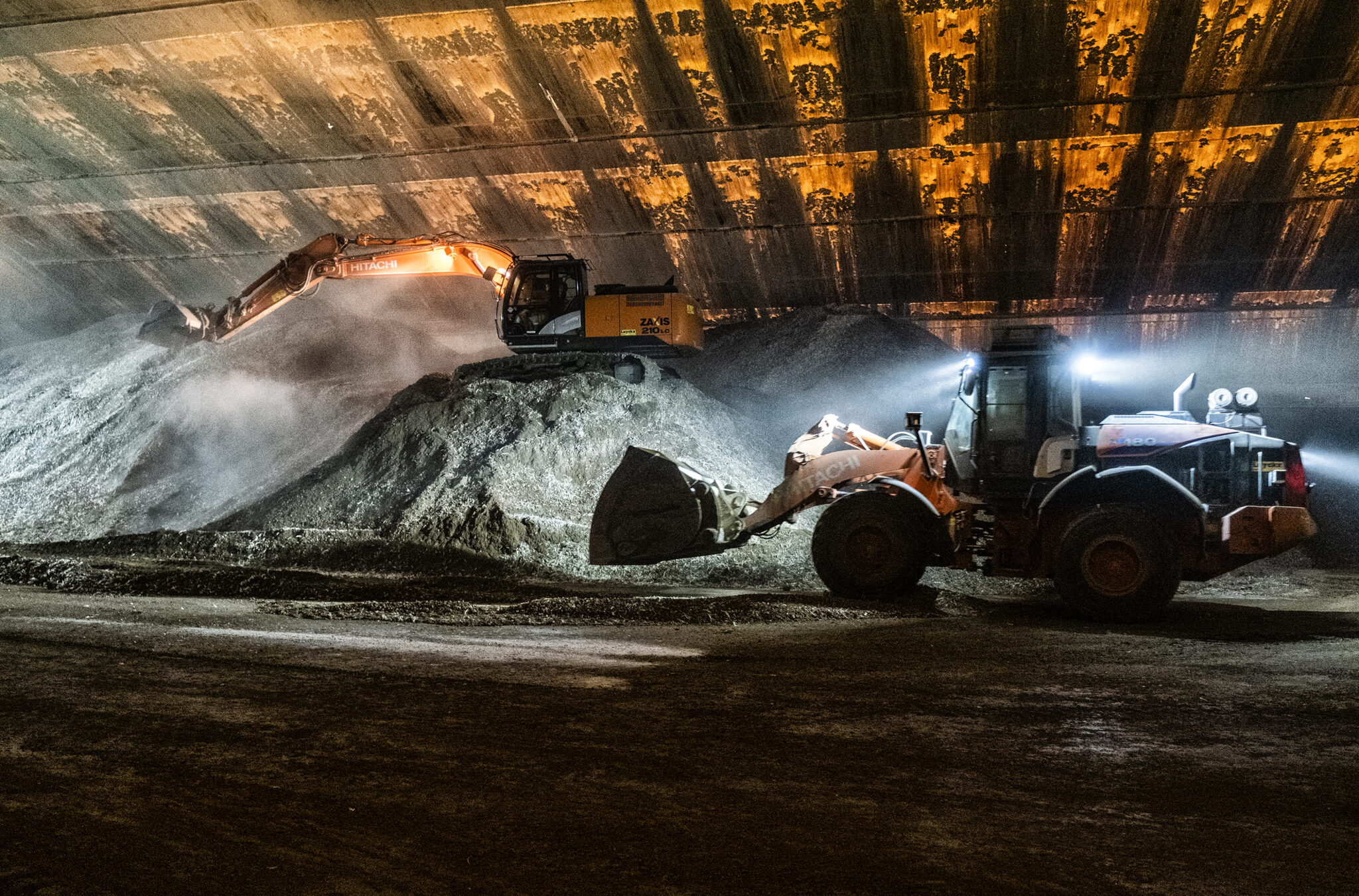
FKL’s production site in Kallo is equipped with modern installations and innovative techniques. This infrastructure makes it possible to process organic residual streams efficiently while minimising the impact on air, water, and soil as much as possible. Among other things, advanced air treatment helps to control emissions and odour nuisance. By continuously investing in technology, process optimisation, and quality control, we increase the sustainability and reliability of our production. In this way, FKL links industrial development with environmental care and helps build a resilient, circular, and future-proof fertiliser sector.
-
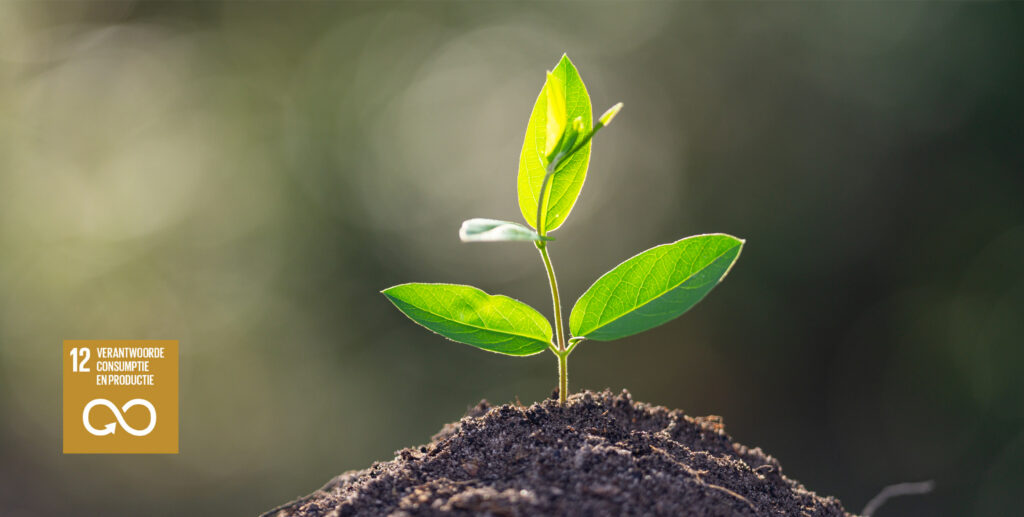
Ensure sustainable consumption and production patterns.
FKL gives valuable organic residual streams a new purpose. By-products from the animal food chain are processed into high-quality organic fertilisers, returning nutrients and organic matter to the cycle. In this way, we avoid waste and replace a residual product with a useful raw material for agriculture. Furthermore, our fertilisers help agricultural soils remain fertile, healthy, and productive. By doing so, we support more sustainable food production worldwide, limit the need for new raw materials, and contribute to combating soil degradation and desertification.
-
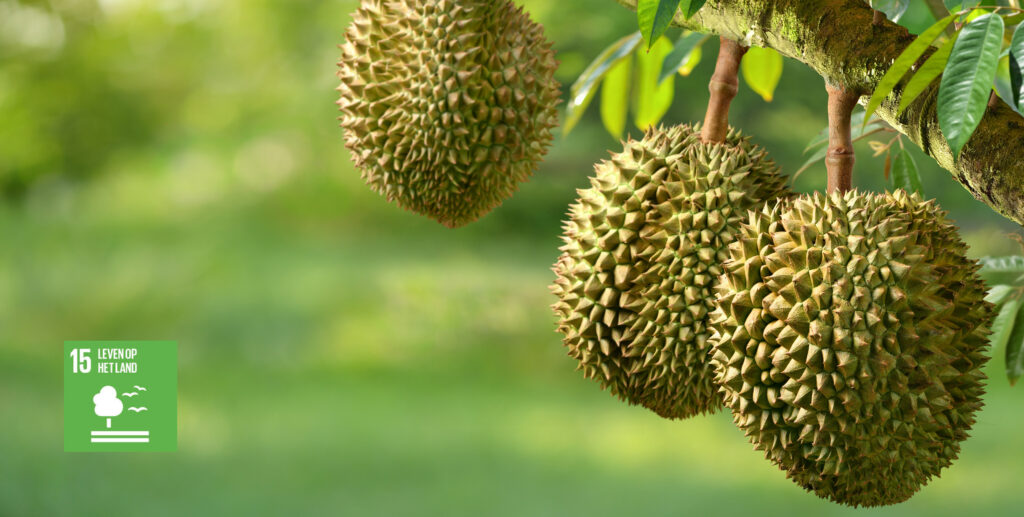
Protect ecosystems and combat land degradation.
Organic fertilisers help keep agricultural land fertile and productive in the long term. They add organic matter and nutrients, improve soil structure, and support healthy soil life. This reduces the risk of soil degradation, erosion, and desertification. Higher yields on existing agricultural land can also limit the pressure on forests and valuable natural areas. FKL contributes to sustainable soil management, both locally and internationally: locally by reducing the impact of intensive livestock farming, and globally by making degraded soils fertile again and better protecting ecosystems.
Questions about our products?
We are happy to assist you